Hindu Dharma often called Sanatana Dharma, meaning eternal law—is not just a religion. It’s a way of life, a spiritual philosophy, and a cultural legacy that has evolved over thousands of years. With no single founder and no rigid dogma, Hindu Dharma embraces diversity, tolerance, and the pursuit of truth from all directions.
🌟 A Living Tradition
Hinduism is the world’s oldest living religion, with roots tracing back to the Indus Valley Civilization (around 2300–1500 BCE). It has grown organically, absorbing and adapting ideas across centuries. From the Vedas to the Upanishads, from temple rituals to home shrines, Hindu Dharma is a tapestry of spiritual wisdom and cultural richness.
It’s not just about belief—it’s about practice, community, and personal growth.
🔍 Key Concepts of Hindu Dharma
- Here are some core ideas that define Hindu Dharma:
- Brahma: The supreme, formless reality that pervades everything.
- Dharma: The law of righteousness and duty; living in harmony with one’s nature and role in society.
- Karma: The universal law of cause and effect—your actions shape your destiny.
- Moksha: Liberation from the cycle of birth and death; the ultimate spiritual goal.
- Aatma: The soul or inner self, believed to be eternal and divine.
📚 Sacred Texts and Symbols
Hindus revere a vast collection of scriptures:
- The Vedas: Rigveda, Samaveda, Yajurveda, Atharvaveda
- Upanishads, Bhagavad Gita, Ramayana, Mahabharata
- Symbols: The Om (sacred sound) and the Swastika (symbol of good fortune)
🛕 Worship and Festivals
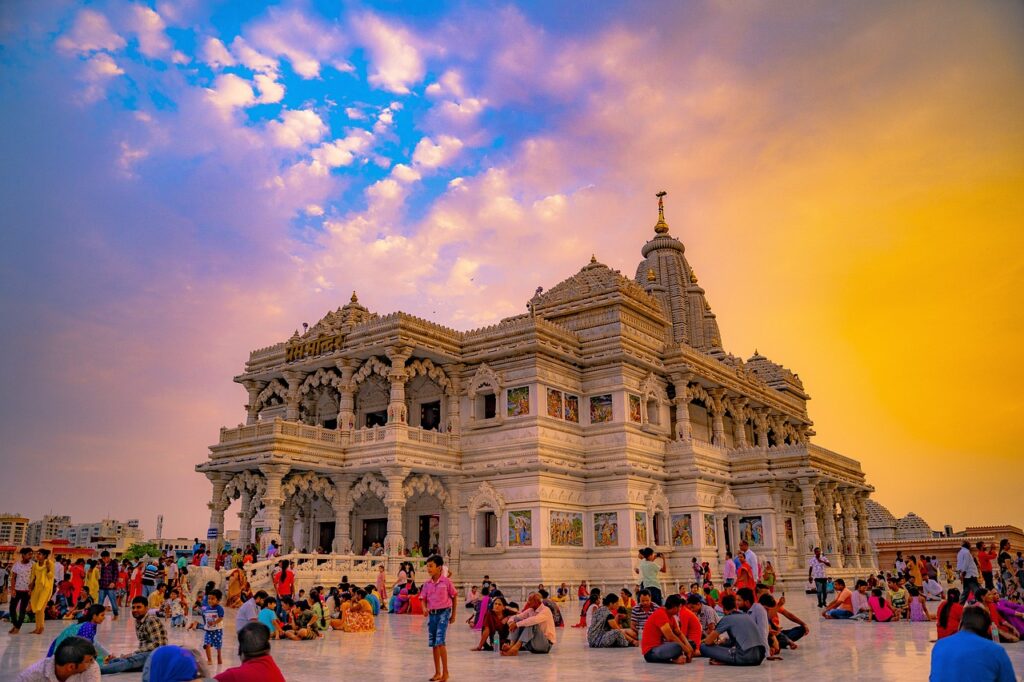
Hindu worship, or puja, can be done in temples or at home. Offerings like flowers, incense, and food are made to deities. Major festivals include:
- Krishna Janmashtami: Birth of Lord Krishna
- Diwali: Festival of Lights
- Holi: Festival of Colors
- Navaratri: Celebration of the divine feminine
🧘♂️ Dharma in Daily Life
Dharma isn’t one-size-fits-all. It varies by age, role, and circumstance. A doctor may have duties as a healer, a parent, and a citizen—all part of his dharma. The essence lies in living ethically, compassionately, and spiritually.
“May good thoughts come to us from all sides.” — A Hindu prayer that captures the spirit of openness and wisdom.
🧵 The Five Strands of Hindu Dharma
Think of Hindu Dharma as a braid of five strands:
- Doctrine – Philosophical teachings and scriptures
- Practice – Rituals, yoga, meditation
- Society – Roles and responsibilities (varna and ashrama)
- Story – Epics and myths that teach values
- Devotion – Love and reverence for the divine
💬 Final Thoughts
Hindu Dharma is not just about gods and rituals—it’s about living with purpose, seeking truth, and embracing the divine in all forms. Whether you’re lighting a diya, chanting a mantra, or simply practicing kindness, you’re walking the path of Dharma.
 sanatanbodh.blog