
Spiritual Insights
Is the Caste System a Religious Mandate in Hinduism?
The caste system is one of the most controversial topics linked to Hinduism. Many believe it’s a religious mandate from Hindu gods, but a closer look at scriptures and spiritual philosophy reveals a different story. The original concept was not about birth-based hierarchy—it was about qualities, duties, and spiritual growth.
📜 What the Scriptures Actually Say
Ancient Hindu texts like the Bhagavad Gita and Rigveda describe a system called varna, which classifies people based on their nature and work—not their birth.
- Bhagavad Gita 4.13: “The four varnas were created by Me based on guna (qualities) and karma (actions).”
- Rigveda: Symbolically describes society as one body with different parts—each essential and equal.
This system was meant to promote social harmony, not discrimination.
🧠 Varna vs. Caste: What Went Wrong?
Over time, the flexible varna system was distorted into a rigid, birth-based caste hierarchy. This shift was influenced more by social and political forces than religious doctrine.
🔹 Key Differences:
- Caste became rigid, leading to inequality.
- Varna is based on qualities and duties.
- Caste became birth-based and hereditary.
- Varna was fluid—people could change roles.
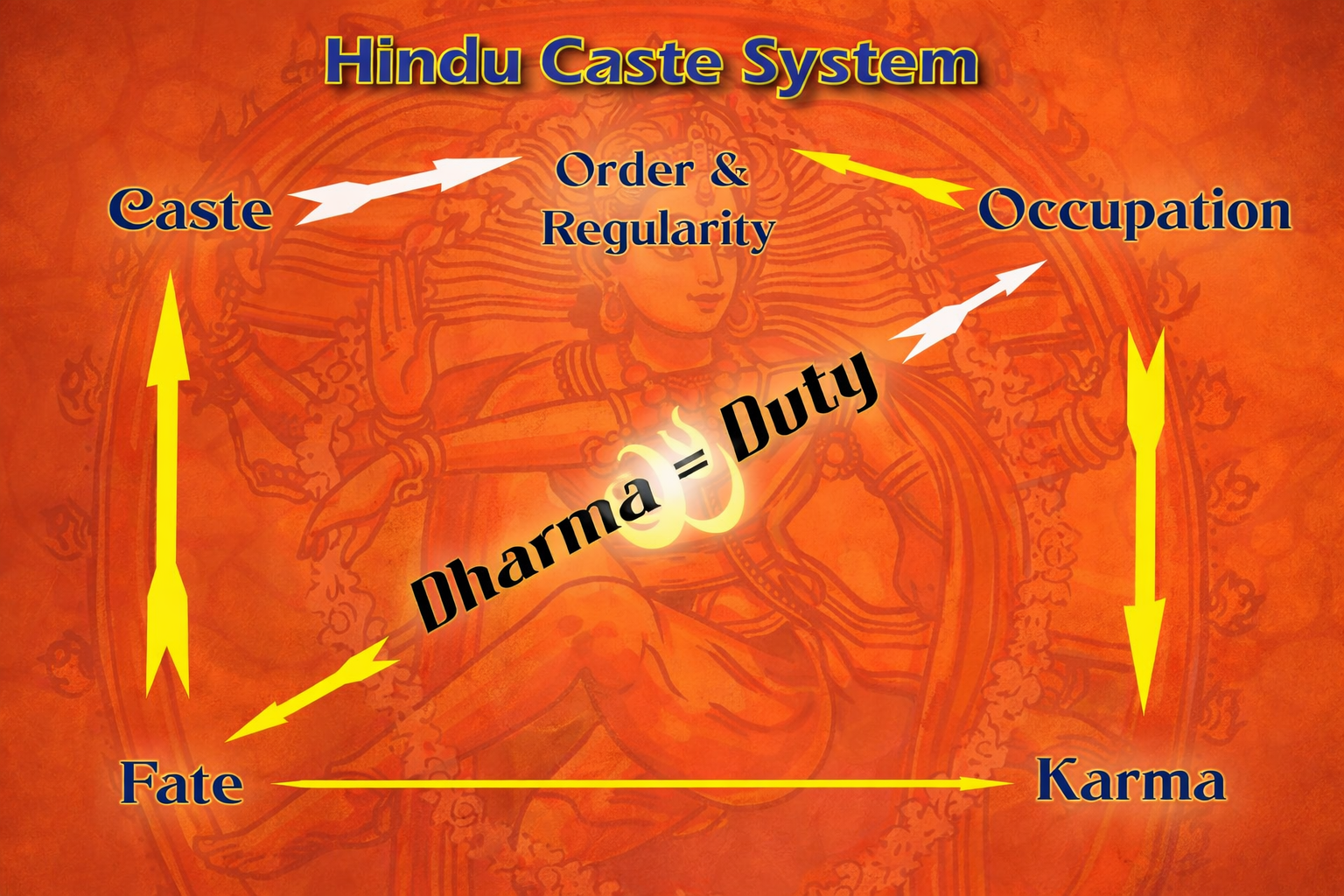
🛕 Did Hindu Gods Mandate Caste?
There is no scriptural evidence that Hindu gods commanded a birth-based caste system. In fact, many revered figures in Hinduism defied caste boundaries:
- Valmiki, author of the Ramayana, was from a marginalized background.
- Vyasa, compiler of the Vedas, was born to a fisherwoman.
- Rishi Satyakama Jabala, a seeker of truth, was accepted by his guru despite unknown lineage.
These stories highlight that spiritual merit, not birth, defines worth in Hinduism.
🌱 Reform and Revival
Saints and reformers like Swami Vivekananda, Raja Ram Mohan Roy, and Sant Ravidas challenged caste discrimination and emphasized the universal spiritual essence of all beings.
✨ Takeaway Points:
- The caste system as practiced today is a social distortion, not a divine mandate.
- Hindu scriptures promote equality based on character and action.
- Reformers within Hinduism have long opposed caste-based injustice.
- True spirituality transcends birth, status, and labels.
🕉️ Final Thoughts
Hinduism, at its core, teaches oneness of all beings. The caste system, as it exists today, is not a religious truth—it’s a historical misinterpretation. By returning to the original spirit of guna and karma, we can reclaim the inclusive and empowering vision of Hindu philosophy.
 sanatanbodh.blog