
🐄 The Cow in Hinduism: More Than Just an Animal
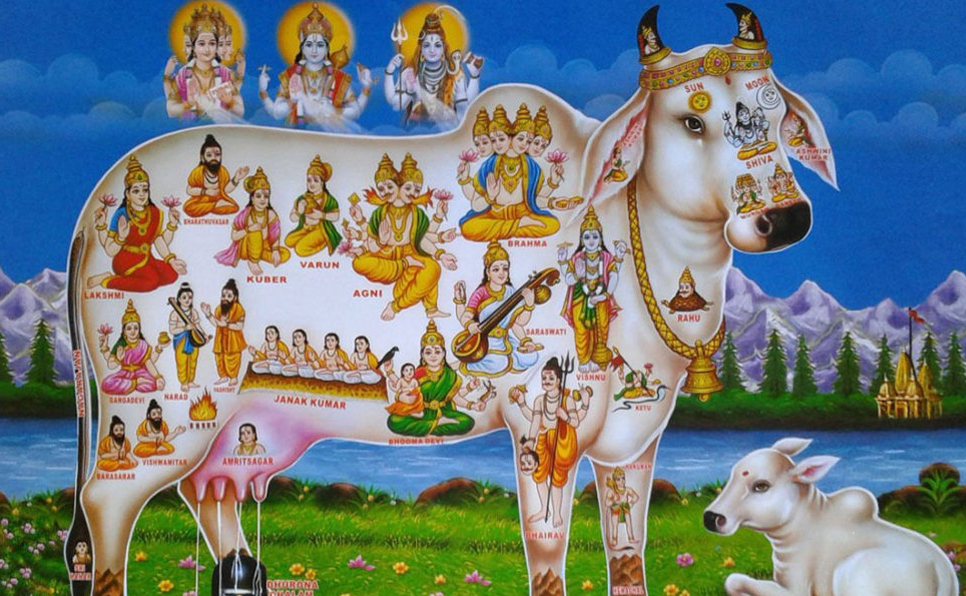
In Hinduism, the cow is not worshipped as a god—but she is deeply respected, honored, and cherished. Known as Gau Mata, the cow symbolizes motherhood, abundance, and non-violence. Her gentle nature and life-giving qualities make her a living emblem of compassion and sustenance.
📜 Ancient Roots and Divine Connections
The reverence for cows dates back to the Vedic period, when pastoral life was central to society. Over time, cows became associated with major deities:
- Mother Earth: The cow is seen as her earthly embodiment.
- Lord Krishna: A cowherd in his youth, often called Govinda (protector of cows).
- Kamadhenu: The divine wish-fulfilling cow, symbolizing prosperity.
- Nandi: The sacred bull and vehicle of Lord Shiva.
🧘♀️ Spiritual Symbolism and Rituals
Cows are central to many Hindu rituals and festivals. Their products—milk, ghee, curd, dung, and urine—are used in purification, healing, and worship.
✨ Key Symbolic Roles:
- Motherhood: Nourishing milk likened to a mother’s love.
- Ahimsa (Non-violence): The cow’s docile nature reflects this core Hindu virtue.
- Wealth and Prosperity: Cows were once gifted to sages and kings as a sign of respect.
🛕 Cultural Practices and Modern Reverence
In India and Nepal, cows often roam freely and are fed by devotees. Festivals like Gopashtami celebrate and decorate cows with garlands and ornaments. More than 3,000 Gaushalas (cow shelters) care for aged and infirm cows.
Even Mahatma Gandhi said, “Cow protection means protection of all that lives and is helpless and weak in the world.”
⚠️ Misinterpretations and Public Health Concerns
While cow products are revered, some practices—like using cow dung and urine for medical cures—have raised concerns. During the COVID-19 pandemic, some groups promoted cow dung therapy, despite no scientific evidence and serious health risks.
🚫 Health Risks Include:
- Spread of zoonotic diseases like ringworm, salmonellosis, and mucormycosis.
- False sense of immunity leading to neglect of safety protocols.
Experts and health bodies have urged mass awareness campaigns to educate the public and discourage unsafe practices.
🧠 Final Thoughts
The cow in Hinduism is a symbol of grace, generosity, and spiritual purity. Her sacred status is rooted in ancient texts, cultural traditions, and ethical values—not superstition. While honoring cows is a beautiful part of Hindu culture, it’s essential to balance reverence with scientific awareness and public health responsibility.
📌 Quick Takeaways for Readers
- Hindus honor, not worship, the cow.
- The cow symbolizes motherhood, non-violence, and abundance.
- Cow products are used in rituals and purification.
- Misuse of cow dung and urine for medical cures is dangerous and unscientific.
- Respecting cows should go hand-in-hand with health-conscious practices.
 sanatanbodh.blog